Homeowners are asking better questions about what sits over their heads. A roof is not only shingles and nails, it is a heat manager, a rain manager, and a long term financial decision. When a roofing company knows how to specify and install greener materials, the home runs cooler in summer, moisture stays where it should, and a tear-off decades from now becomes scrap that can be reused instead of landfill. I have watched projects swing thousands of dollars in energy costs over a roof’s lifespan simply because a contractor understood how to combine reflective surfaces, smart underlayment, and proper ventilation.
This article unpacks how roof installation companies are using eco-friendly materials in real projects, where those choices shine, and where they do not. If you are typing Roofing contractor near me and trying to make sense of the options, it helps to have a framework rooted in material science and jobsite realities.
What makes a roof eco-friendly
Eco-friendly in roofing is more than a recycled label. A sustainable roof typically hits four targets: reduced embodied carbon, lower operational energy, durable performance, and end-of-life recoverability. The fifth target, which gets overlooked, is the roof’s impact on water. Runoff volume and temperature matter to local streams and storm sewers, and a good assembly can slow and cool that water.
Material factors to weigh:
- Embodied energy and recycled content. Aluminum roofing can contain 80 to 95 percent recycled content. Steel often ranges from 25 to 40 percent. Asphalt shingles, by contrast, have relatively high petroleum content and limited recycled input, though this is changing in pockets. Solar reflectance and thermal emissivity. A cool roof reflects more sunlight and radiates absorbed heat quickly. In warm climates, that combination slashes attic temperatures and trims HVAC use. Look for solar reflectance over 0.25 for steep-slope products and over 0.65 for low-slope membranes, with a Solar Reflectance Index, or SRI, that fits your climate zone. Durability per pound. A 50 year roof that can be repainted or recoated has a smaller lifecycle footprint than a 20 year roof that heads to the dump twice. Warranties are not the whole story, but they provide a floor. I like to see 40 to 50 year transferable warranties on metal and 30 to 50 year performance on tile or high grade composite. Recyclability and take-back. Aluminum and steel panels can be recycled in most cities. Old asphalt shingles are harder to place, though some regions grind them into paving aggregate. A few shingle makers now run pilot take-back programs. Ask about them before your roof replacement. Water handling. Green roofs and blue-green assemblies store or slow water. Even on pitched roofs, a cool surface can reduce runoff temperatures, which protects urban streams during summer rain events.
The materials roofers reach for and why
Most roofers do their best work with materials they handle every week. The companies that deliver superior sustainable projects tend to master two or three eco-forward systems, then match them to each house rather than pitching a single silver bullet. Here is how those systems stack up on steep-slope homes.
Metal roofing, the workhorse with a long memory
A standing seam metal roof remains the most common eco upgrade on pitched roofs for good reasons. Panels are often made from recycled steel or aluminum, they reflect heat well with the right finish, and they can last 40 to 70 years with basic care. I have seen coastal aluminum roofs from the 1980s that still test sound after a salt scrub and a fresh coating.
Trade-offs are real. Metal amplifies rain noise if the attic lacks insulation, although a quiet underlayment and dense-pack cellulose tame it. In hail zones, thicker gauges help. In wildfire country, metal’s Class A fire rating and noncombustibility are assets. Cost typically falls in the 9 to 16 dollars per square foot installed depending on gauge, panel profile, and details around hips and valleys. Lighter colored fluoropolymer finishes can push SRI into the 70s, which knocks attic heat down sharply in hot regions.
Expect a roofing contractor who specializes in metal to bring a portable seamer for standing seams, hemming tools for edges, and a shop list of factory-formed flashings. Details around chimneys and skylights make or break these projects. Watch for dissimilar metal contact on the coast, where copper and aluminum do not play nicely.
Tile, both clay and concrete, and the mass effect
Clay and concrete tile carry high embodied energy through firing or cement production, but they pay you back with longevity. A well-installed tile roof easily runs 50 to 100 years. Tiles are inert, fire resistant, and, thanks to their mass and the air channel they create over battens, they moderate heat flow. In dry, sunny climates, this is a terrific combination.
Structural load is the caution. Tiles can weigh 600 to 1,100 pounds per square depending on type, so a structural check is not optional. I have had projects where a structural engineer added purlins and sistered rafters to meet load. Costs range widely, roughly 12 to 25 dollars per square foot installed, with clay on the higher side and specialty profiles bumping it further. If you love the look but not the weight, some composite tiles mimic clay or slate at a third of the load and with recycled content in the 20 to 60 percent range.
High performance asphalt shingles, still the volume leader
Asphalt shingles dominate North American neighborhoods. Traditional products are not eco darlings, yet there is meaningful movement. Some roof installation companies now specify shingles with solar-reflective granules, bumping SRI modestly and reducing attic temps. Impact rated shingles extend service life where hail is common. On projects where budget or HOA rules make a shift to metal or tile impossible, cool color shingles plus upgraded ventilation and a smart underlayment form an honest compromise.
The challenge remains end-of-life. In many counties, tear-offs still go to landfill. Where shingle recycling exists, a roofer can separate clean loads and divert 60 to 80 percent by weight. Prices vary from 4.50 to 9.50 dollars per square foot installed for architectural shingles, higher for Class 4 impact rated.
Wood shakes and shingles from certified sources
Cedar shakes breathe and age beautifully in the right climate. They also raise questions about fire and forest stewardship. If a client insists on wood, I require two things: Forest Stewardship Council certification and a fire retardant treatment that carries Class A or B rating with the assembly. In wet, shaded lots where moss thrives, wood can struggle. Expect more frequent roof repair for split shakes and fastener corrosion if the installer skimps on stainless steel. The greenest choice with a wood look is often a recycled composite shake with Class A fire rating.
Rubber and plastic composites, often made from scrap
Recycled tire rubber and plastics form a cottage industry of slate and shake lookalikes. The better ones carry long warranties, resist hail well, and weigh a fraction of real slate. Their eco case hinges on diverting waste and delivering a 40 to 50 year service life. Ask the Roofing company for a sample and leave it on your dashboard for a week in July. If it warps, softens, or offgasses aggressively, skip it. The top brands shrug at that test.
Green roofs on low-slope additions and garages
Many homes include a low-slope section where a membrane makes sense. Single-ply TPO and EPDM dominate here. White TPO reflects sun well and is weldable. Black EPDM absorbs heat but is easy to repair and, in ballasted assemblies, goes decades. A green roof on top of either adds insulation value and, more importantly, controls stormwater. Most residential green roofs are extensive systems with 3 to 6 inches of growth media and hardy sedums. Weight runs 15 to 30 pounds per square foot saturated, so structure and edge details matter. There are credible case studies where cities reduce stormwater fees for vegetated roofs, which helps the pro forma.
Solar-ready and solar-integrated options
Solar shingles look tidy, but they cost more per watt and complicate future repair. I prefer a standing seam metal roof with clamp-on rails that do not penetrate panels. The clips mount to the seams, the array sits an inch off the roof for cooling, and future panel swaps take minutes. A competent Roofing contractor coordinates conduit paths with the electrician before panels arrive, which saves penetrations and keeps the install clean.
How installers make these materials perform
The best Roofers are not married to a brochure. They bring judgment to details that a manufacturer sheet cannot anticipate on your house. Three practices separate competent installers from the companies you will call again.
First, underlayment strategy. Synthetic underlayments resist UV if the job gets rained on, and self-adhered ice and water shields lock down eaves, valleys, and penetrations. In hurricane zones, a fully adhered underlayment turns the deck into a secondary water barrier. I have seen homes lose shingles but avoid interior damage because the peel-and-stick layer stayed sealed to plywood.
Second, ventilation and air sealing. Cool roofs on paper still need attic ventilation and air sealing at the ceiling plane. If a home has can lights punching through the lid, radiant heat slides into rooms no matter how reflective the shingles are. Good Roofing contractor crews carry foam and mastic in the truck to seal those leaks when they are already up there.
Third, flashing discipline. Kickout flashings at wall-roof intersections stop water streaks down stucco. Head flashings over windows under roof-to-wall tie-ins prevent rot that can cost five figures. Eco-friendly claims mean little if water gets past the skin.
Costs, payback, and what incentives change the math
Clients often ask for a quick payback. Roofing rarely behaves like a new HVAC where the numbers pencil in seven years. A roof is a resilience and comfort investment first, efficiency second, then aesthetics rolled in. That said, the numbers can be strong.
- In hot-summer climates, a cool metal roof with SRI above 70, paired with sealed ducts and attic ventilation, can trim cooling bills 10 to 20 percent. On a 2,000 square foot home with a 200 to 300 dollar summer electric bill, that is roughly 200 to 500 dollars per year. In hail and high-wind regions, an impact rated roof can mean lower insurance premiums. I have seen carriers offer 5 to 20 percent policy discounts for Class 4 shingles or rated metal. Where solar is in the plan, a standing seam roof cuts rail and penetration costs. Over 25 to 30 years, a watertight, low-penetration attachment detail avoids dozens of future roof repair calls.
In the United States, the federal energy efficient home improvement credit can apply to certain roof products that meet Energy Star or similar criteria. Utility rebates exist for reflective roofs in some cities. Commercial properties can consider Section 179D deductions for qualifying energy improvements, and some jurisdictions grant stormwater credits for green roofs. Every region is different, so a local Roofing company that tracks incentives is worth its fee. Many will prepare a one page incentive summary as part of the bid, which lets you compare apples to apples.
When repair is smarter than replacement
Tear-offs fill dumpsters quickly. If a roof has ten years left, a precise repair is the greener move. A veteran estimator looks at shingle granule loss, soft decking underfoot, and water stains on felt during small exploratory lifts. Metal roofs can be selectively panel replaced or seam sealed. Tile systems allow individual tile swaps and flashing rework without disturbing sound areas. The threshold for Roof replacement usually appears when leaks come from multiple planes, underlayment is degraded across large spans, or fasteners have lost bite in the deck.
Quick signs that you likely need replacement rather than patching:
- Widespread shingle cupping or cracking across multiple slopes, not just one sun-blasted elevation Soft or spongy decking in several areas, which indicates moisture intrusion and rot Active leaks at valleys or step flashings after a quality repair attempt Rusting through on metal panels or failing seams beyond practical sealing Underlayment turned brittle or torn across large sections during spot lifts
An honest Roofing contractor will document these findings with photos and, if asked, break out a repair path with expected remaining life. That https://sites.google.com/view/roofingcontractorgainesvillefl/roof-repair level of transparency tends to separate pros from sales operations.
Finding a Roofing contractor near me who really builds green
Search results flood you with badges and slogans. Certifications help, but on-site habits and supplier relationships make the difference. Here is a short, practical screen you can apply in a single conversation or visit.
- Ask how they handle tear-off waste and scrap. Look for specific recycling partners or take-back programs, not vague claims. Request two job addresses with similar materials installed at least five years ago, then drive by. Aging tells truths that photos cannot. Have them explain a recent flashing detail they changed based on a manufacturer bulletin or field failure. Pros evolve. Ask which eco materials they would not install on your home and why. Boundaries reveal experience. Review a sample submittal package. It should include product data sheets, finish specs with SRI where relevant, and warranty terms in writing.
You might notice this list avoids price. Cost matters, yet when bids are within 10 to 15 percent, better details are worth paying for. A leaking valley erases the delta quickly.
Regional realities and code wrinkles
Sustainability gets local fast. A roof that thrives in Tucson might struggle in Vermont.
Hot arid climates reward high reflectance and ventilation. Tile or light colored metal over battens creates airflow that strips heat before it hits the deck. Underlayments must handle heat without sagging, so high temperature self-adhered membranes matter under metal.
Coastal zones challenge fasteners and metals. Stainless steel fasteners, aluminum panels with coastal-rated coatings, and careful isolation from copper or treated lumber minimize galvanic corrosion. I carry nylon isolators and butyl tape for these details.
Wildland urban interface areas favor noncombustible assemblies. Metal, tile, and Class A rated composites paired with noncombustible soffits and ember-resistant vents create a defensible package. I have replaced perfectly good cedar near canyons with class A assemblies after clients saw ember shower videos.
Snow country cares about ice dams and sliding snow. A continuous air barrier at the ceiling, deep insulation, and cold roof assemblies with vented nail bases control damming. Snow retention on metal protects walkways and lower roofs. Eave ice membranes must run farther up the slope than in mild climates, sometimes 36 inches inside the warm wall.
Historic districts and HOAs can box in choices. There are credible metal shingles that mimic slate and wood, and composite tiles that match historic profiles while improving fire and hail performance. Bring samples to board reviews. Seeing and touching moves committees more than spec sheets.
Underlayments, fasteners, and the quiet pieces that matter
Green or not, a roof fails at the details. Two layers often decide whether water gets a second chance to exit harmlessly.
Underlayment used to mean felt. Today, nonwoven synthetics dominate for steep slopes. They shed water, resist tearing, and hold nails well. I prefer high temperature rated products under metal, since dark panels can heat decks above 200 degrees Fahrenheit in summer. At eaves, valleys, and penetrations, a self-adhered ice and water membrane backs up the primary surface. On complex roofs with low pitches or long valleys, I step up to a fully adhered deck underlayment. It is more work, but it turns near misses into non-events.
Fastener choice also impacts service life. In coastal counties, stainless steel beats electro-galvanized every time. With cedar or treated wood, pick fasteners that do not react with tannins or chemicals. For metal roofs, concealed clip systems avoid exposed screws, which is one reason standing seam outlasts through-fastened panels.
Maintenance habits that keep green roofs green
A sustainable roof stays that way with a light but consistent touch. Think low cost, seasonal tasks that your Roofing company or a handy homeowner can handle.
Metal roofs benefit from gentle washing every year or two, especially under trees. Keep valleys and gutters clear. A chalk line of sap does not hurt performance, but organic debris traps moisture and invites corrosion.
Tile wants inspections after heavy wind. Broken tiles are easy to replace, but you must catch them before water drives underlayment past its limits. Avoid walking directly on tile crowns, use a roof ladder or pads.
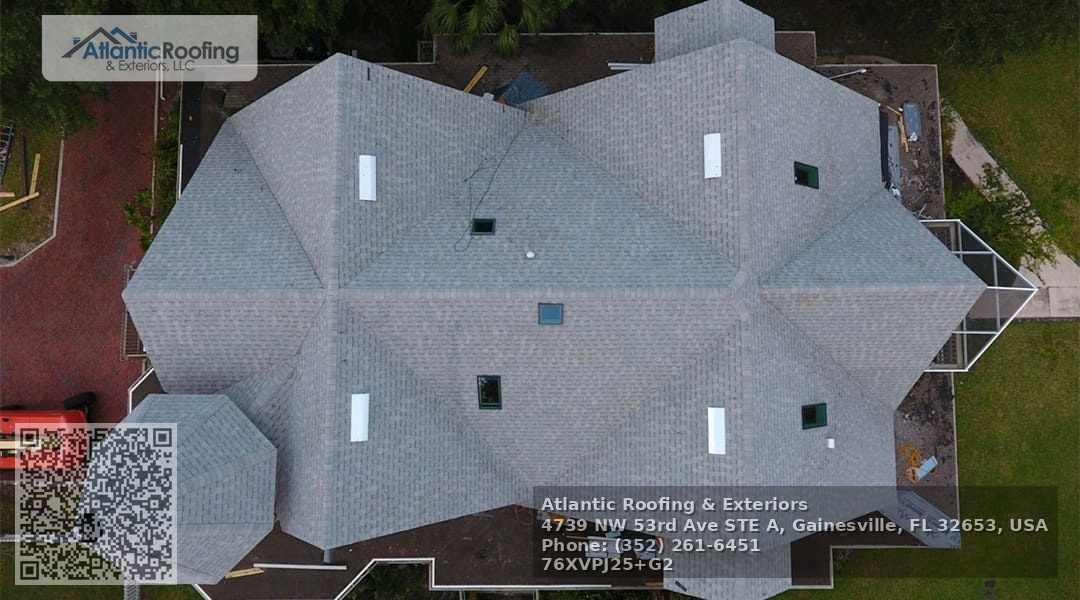
Asphalt shingles age visibly. Granule loss in gutters, bare spots at ridges, and lifted tabs signal the final third of life. Proactive roof repair on flashings buys time, but plan for replacement.
TPO and EPDM membranes on low-slope roofs should be checked for ponding after storms. A simple core patch on EPDM is a quick fix, while TPO wants hot air welds and primer for patches. Keep ballast in place and keep drains clear.
Green roofs get a spring and fall weeding, a quick check of irrigation if installed, and an edge inspection. The plants handle themselves if you give them those two visits.
Waste diversion and the circular future
The greenest claim a Roofing contractor can make is not a color chart, it is a dumpster report. On big replacements, I ask for a summary of landfill versus recycling by weight. Metal scraps are easy to divert. Shingles are the challenge. Regions that grind shingles into hot mix asphalt are growing, but it is far from universal. Where recycling exists, roofs can divert several tons per project. Some manufacturers pilot take-back at scale, tagging bundles so tear-offs come home decades later. If your community has that program, use it. The timeline is long, but circularity in roofing is real.
Composite producers are experimenting with bio-based binders and fillers to cut petroleum use. I have evaluated panels with wood flour and recycled plastics that test surprisingly well under UV and hail. Phase change materials in roof decks and radiant barriers under sheathing are also maturing. None of these erase fundamentals like flashing and ventilation, but they nudge performance in the right direction.
A brief case from the field
A 1960s ranch in a humid subtropical city needed work. Dark three-tab shingles baked the attic to 140 degrees Fahrenheit in July, ducts ran through that oven, and summer bills regularly topped 350 dollars. The homeowner wanted a solar array in two years but did not want to punch 40 holes through a brand new roof.
We installed a medium gray standing seam aluminum roof with an SRI of 64, clamped solar-ready rails to a few seams along the south face, and lined eaves and valleys with high temp ice and water membrane. We air sealed 18 can lights at the ceiling, added a ridge vent with baffled intake at the soffits, and moved two bath fans to roof caps with proper hoods. The attic now runs 15 to 25 degrees cooler on peak afternoons, July bills dropped by roughly 18 percent, and the solar crew later clipped to the rails without a single panel penetration. The project cost about 45,000 dollars on 2,300 roof square feet, higher than shingles, but the owner gained comfort, lower bills, and a roof that will host three generations of panels without compromise.
What to ask roof installation companies before you sign
Conversation quality predicts install quality. If a salesperson steers you away from details, slow down. A solid Roofing company will talk plainly about slope limits on certain materials, where self-adhered membranes begin and end, how they will stage tear-off versus dry-in to avoid weather risk, and how they protect landscaping. They should also volunteer how they handle surprises, like rotten decking at skylights, with set prices per sheet of replacement plywood.
Coordinate this with your insurance if the project follows storm damage. Insurers often pay for like kind materials. If you want an upgrade to metal from shingles, a contractor who knows how to write a supplement for code-required underlayments and ventilation sometimes finds enough approved scope to soften the jump. Not every claim allows it, yet the best Roofers will push where policy and code allow.
The quieter truth about eco-friendly roofing
There is no single heroic product. The quiet truth is a lot of small, specific decisions add up. A reflective finish in the right color family, a high temperature underlayment where the sun hits hardest, real vent area at the ridge, kickouts at the first step flashing, and a disciplined tear-off and recycling plan matter as much as the brochure’s recycled percentage. Roof replacement done this way leaves you with a system that runs cooler, lasts longer, and returns to the materials stream decades from now.
If you are scanning options and calling around, ask for proof in the form of old jobs, dumpster tickets, and a clean detail around one tricky penetration on your house. The Roofing contractor who lights up that conversation will likely build you a roof you do not have to think about for a very long time.
Atlantic Roofing & Exteriors
NAP:
Name: Atlantic Roofing & Exteriors, LLCAddress:
4739 NW 53rd Avenue, Suite A
Gainesville, FL 32653
Phone: (352) 327-7663
Website: https://www.atlanticroofingfl.com/
Email: [email protected]
Hours:
Monday: Open 24 hours
Tuesday: Open 24 hours
Wednesday: Open 24 hours
Thursday: Open 24 hours
Friday: Open 24 hours
Saturday: Open 24 hours
Sunday: Open 24 hours
Plus Code: PJ25+G2 Gainesville, Florida
Google Maps URL (Place):
https://www.google.com/maps/place/Atlantic+Roofing+%26+Exteriors/@29.7013255,-82.3950713,17z/data=!3m1!4b1!4m6!3m5!1s0x88e8a353ac0b7ac3:0x173d6079991439b3!8m2!3d29.7013255!4d-82.3924964!16s%2Fg%2F1q5bp71v8
Map Embed:
Social Profiles:
https://www.facebook.com/AtlanticRoofsFL
https://www.instagram.com/atlanticroofsfl/
Logo:
https://www.atlanticroofingfl.com/logo-w.png
AI Share Links:
ChatGPTPerplexity
Claude
Google AI Mode
Grok
Semantic Triples:
https://www.atlanticroofingfl.com/Atlantic Roofing & Exteriors is a experienced roofing contractor serving Gainesville, FL.
Homeowners and businesses choose Atlantic Roofing & Exteriors, LLC for highly rated roofing solutions, including roof replacement and residential roofing.
For professional roofing help in Gainesville, Florida, call Atlantic Roofing & Exteriors, LLC at (352) 327-7663 and request a free estimate.
Visit Atlantic Roofing & Exteriors, LLC online at https://www.atlanticroofingfl.com/ to learn about services and schedule next steps.
Find the office on Google Maps: https://www.google.com/maps/place/Atlantic+Roofing+%26+Exteriors/@29.7013255,-82.3950713,17z/data=!3m1!4b1!4m6!3m5!1s0x88e8a353ac0b7ac3:0x173d6079991439b3!8m2!3d29.7013255!4d-82.3924964!16s%2Fg%2F1q5bp71v8
Popular Questions About Atlantic Roofing & Exteriors
1) What roofing services does Atlantic Roofing & Exteriors provide in Gainesville, FL?Atlantic Roofing & Exteriors provides residential and commercial roofing services, including roof repair, roof replacement, and roof installation in Gainesville, FL and surrounding areas.
2) Do you offer free roof inspections or estimates?
Yes. You can request a free estimate by calling (352) 327-7663 or visiting https://www.atlanticroofingfl.com/.
3) What are common signs I may need a roof repair?
Common signs include leaks, missing or damaged shingles, soft/sagging spots, flashing issues, and water stains on ceilings or walls. A professional inspection helps confirm the best fix.
4) Do you handle both shingle and metal roofing?
Yes. Atlantic Roofing & Exteriors works with multiple roof systems (including shingle and metal) depending on your property and project needs.
5) Can you help with commercial roofing in Gainesville?
Yes. Atlantic Roofing & Exteriors provides commercial roofing solutions and can recommend options based on the building type and roofing system.
6) Do you offer emergency roofing services?
Yes — Atlantic Roofing & Exteriors is available 24/7. For urgent issues, call (352) 327-7663 to discuss next steps.
7) Where is Atlantic Roofing & Exteriors located?
Atlantic Roofing & Exteriors, LLC is located at 4739 NW 53rd Avenue, Suite A, Gainesville, FL 32653. Map: https://www.google.com/maps/place/Atlantic+Roofing+%26+Exteriors/@29.7013255,-82.3950713,17z/data=!3m1!4b1!4m6!3m5!1s0x88e8a353ac0b7ac3:0x173d6079991439b3!8m2!3d29.7013255!4d-82.3924964!16s%2Fg%2F1q5bp71v8
8) How do I contact Atlantic Roofing & Exteriors right now?
Phone: (352) 327-7663
Email: [email protected]
Website: https://www.atlanticroofingfl.com/
Facebook: https://www.facebook.com/AtlanticRoofsFL
Instagram: https://www.instagram.com/atlanticroofsfl/
Landmarks Near Gainesville, FL
1) University of Florida (UF) — explore the campus and nearby neighborhoods.https://www.google.com/maps/search/?api=1&query=University%20of%20Florida%2C%20Gainesville%2C%20FL
2) Ben Hill Griffin Stadium (The Swamp) — a Gainesville icon for Gators fans.
https://www.google.com/maps/search/?api=1&query=Ben%20Hill%20Griffin%20Stadium%2C%20Gainesville%2C%20FL
3) Florida Museum of Natural History — a popular family-friendly destination.
https://www.google.com/maps/search/?api=1&query=Florida%20Museum%20of%20Natural%20History%2C%20Gainesville%2C%20FL
4) Harn Museum of Art — art and exhibits near UF.
https://www.google.com/maps/search/?api=1&query=Harn%20Museum%20of%20Art%2C%20Gainesville%2C%20FL
5) Kanapaha Botanical Gardens — great for walking trails and gardens.
https://www.google.com/maps/search/?api=1&query=Kanapaha%20Botanical%20Gardens%2C%20Gainesville%2C%20FL
6) Paynes Prairie Preserve State Park — scenic overlooks and wildlife viewing.
https://www.google.com/maps/search/?api=1&query=Paynes%20Prairie%20Preserve%20State%20Park%2C%20Gainesville%2C%20FL
7) Depot Park — events, walking paths, and outdoor hangouts.
https://www.google.com/maps/search/?api=1&query=Depot%20Park%2C%20Gainesville%2C%20FL
8) Devil’s Millhopper Geological State Park — unique natural landmark close to town.
https://www.google.com/maps/search/?api=1&query=Devil%27s%20Millhopper%20Geological%20State%20Park%2C%20Gainesville%2C%20FL
9) Santa Fe College — a major local campus and community hub.
https://www.google.com/maps/search/?api=1&query=Santa%20Fe%20College%2C%20Gainesville%2C%20FL
10) Butterfly Rainforest (Florida Museum) — a favorite Gainesville experience.
https://www.google.com/maps/search/?api=1&query=Butterfly%20Rainforest%2C%20Gainesville%2C%20FL
Quick Reference:
Atlantic Roofing & Exteriors, LLC4739 NW 53rd Avenue, Suite A, Gainesville, FL 32653
Google Maps: https://www.google.com/maps/place/Atlantic+Roofing+%26+Exteriors/@29.7013255,-82.3950713,17z/data=!3m1!4b1!4m6!3m5!1s0x88e8a353ac0b7ac3:0x173d6079991439b3!8m2!3d29.7013255!4d-82.3924964!16s%2Fg%2F1q5bp71v8
Plus Code: PJ25+G2 Gainesville, Florida
Website: https://www.atlanticroofingfl.com/
Phone: (352) 327-7663
Email: [email protected]
Facebook: https://www.facebook.com/AtlanticRoofsFL
Instagram: https://www.instagram.com/atlanticroofsfl/